07/20/2026. Remarks by
Johan Visschedijk: "Demonstrations with the tiny
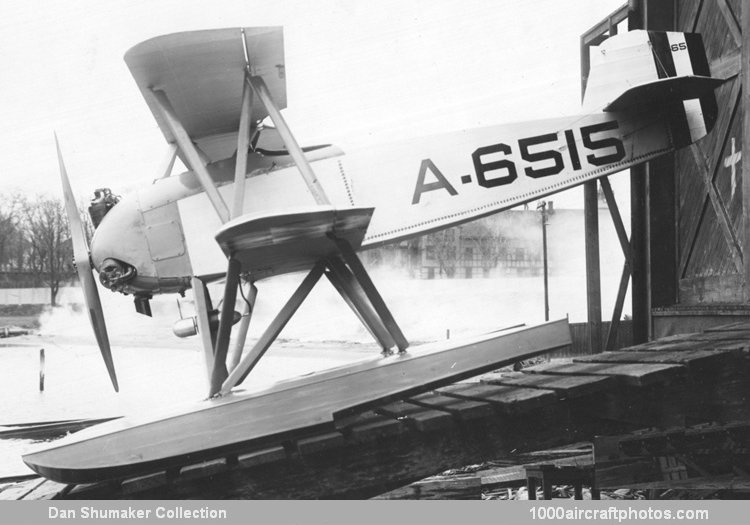
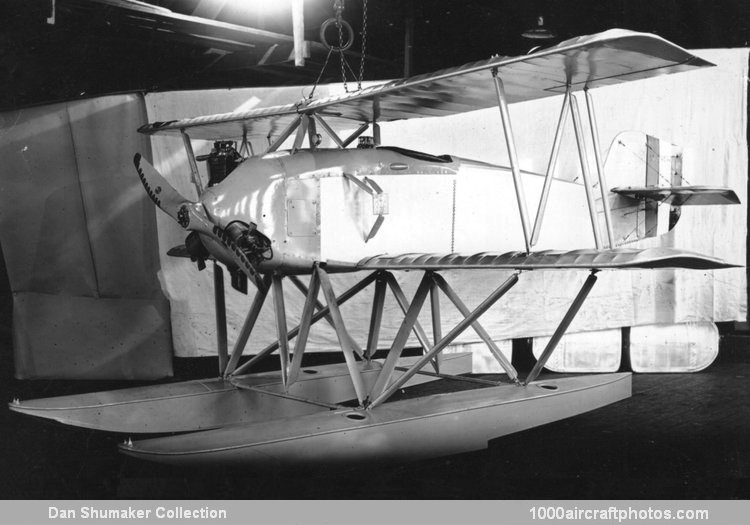
M-1 Messenger, built by Sperry to designs by the US Army Engineering Division, aroused the US Navy interest in a similar design for a single-seat scouting seaplane. Such a type, it was believed, would be a practicable proposition for stowage aboard submarines. Consequently, the USN Bureau of Aeronautics designed a single-seat seaplane scout that could be disassembled and reassembled quickly, with struts substituted for the traditional interplane wires to avoid tedious rigging procedures.
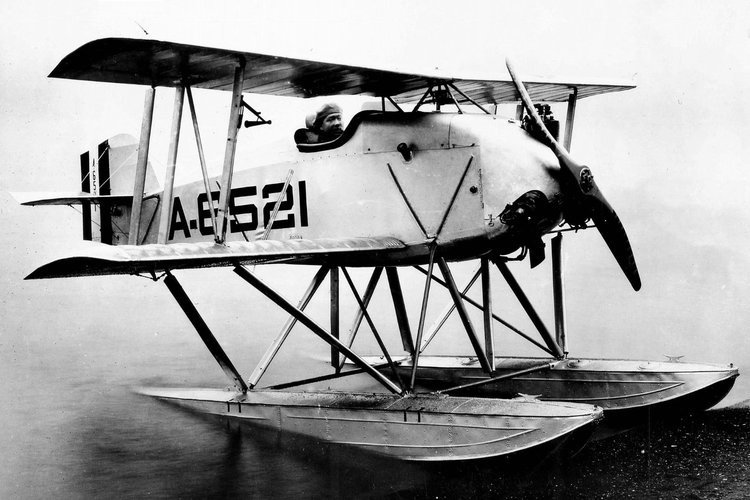
Martin MS-1 (A-6521) (
Johan Visschedijk Collection)
The Glenn L. Martin Company, Cleveland, Ohio, received an order for another six, designated MS-1 (A-6521 to A-6526) to be built of aluminum. The airframe was fabric covered, but the floats were metal skinned.
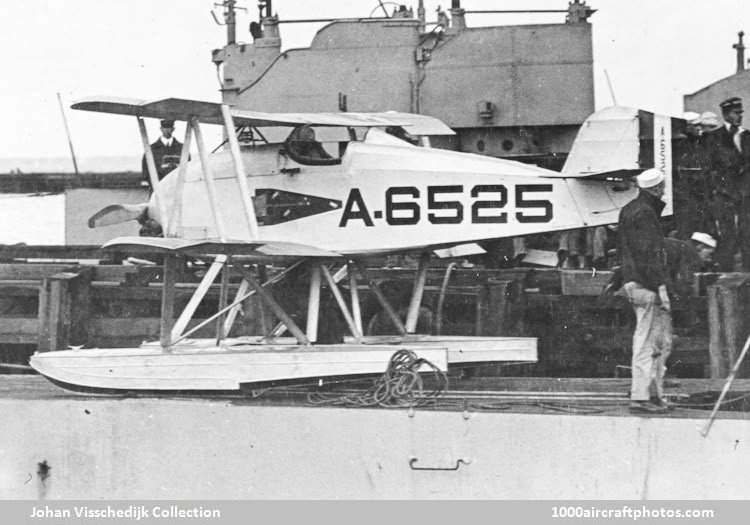
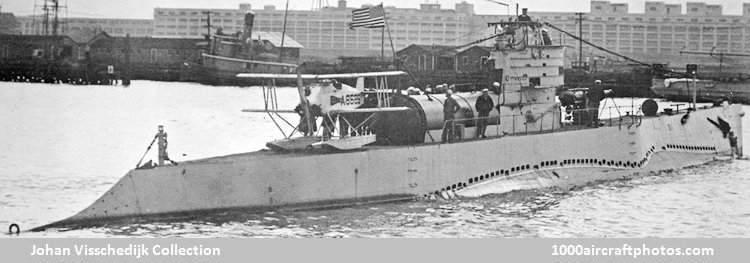
Martin MS-1 (A-6525) aboard the docked USS S-1 (SS-105), October 23, 1923 (
Johan Visschedijk Collection)
Martin MS-1 (A-6525) aboard the USS S-1 (SS-105) on the Elizabeth River, October 23, 1923 (
Johan Visschedijk Collection)
In October 1923 the Martin MS-1 A-6525 was used for the trials mounted in a horizontal cylindrical hangar behind the conning tower fairwater at the submarine USS S-1. After surfacing the aircraft could be rolled out and assembled, it was then launched ballasting the sub until the aft deck was awash.
The first full cycle of surfacing, assembly, launching, retrieving, disassembly, and submergence took place on 28 July 1926, on the Thames River at New London, Connecticut, using the Cox-Klemin XS-2.
Testing showed that the submarine would be vulnerable to an enemy attack, as it took an excessive amount of time to conduct a launching cycle, while the cycle could only be safely conducted in very calm water. The limited range and capability of the aircraft itself, due to its small size, greatly restricted the tactical utility of the concept. After further trials during 1926 all aircraft were scrapped."